In colonial settings, the labour involved in making natural history collections and the information that accompanied materials and cultural belongings were very often supplied by Indigenous people, local guides, servants, or enslaved people. Women, including women of colour, often played an unacknowledged role in documenting the natural world, not only through their expertise in healing and food preparation, but also through visual arts and material culture. These contributions are rarely acknowledged in museum displays, library catalogues, and literature on natural history. How to recognize such contributions, while also foregrounding the colonial violence and racism that often accompanied and enabled natural history collecting remains controversial. This project brings together a network of scholars in natural history, history of science, art history, environmental history and cultural geography with curators, archivists and librarians to consider the practical challenges of researching, reinterpreting and redisplaying natural history collections.

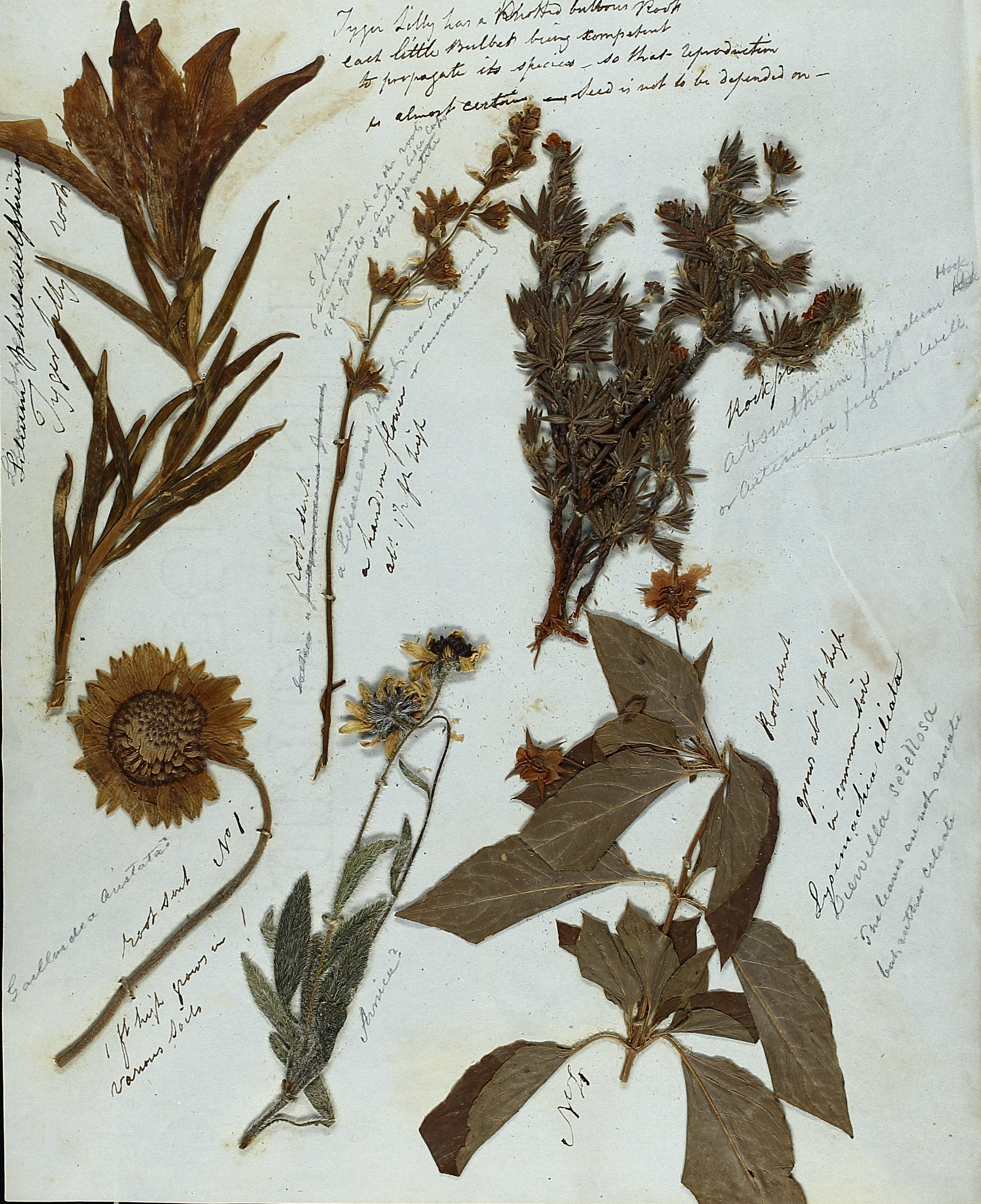
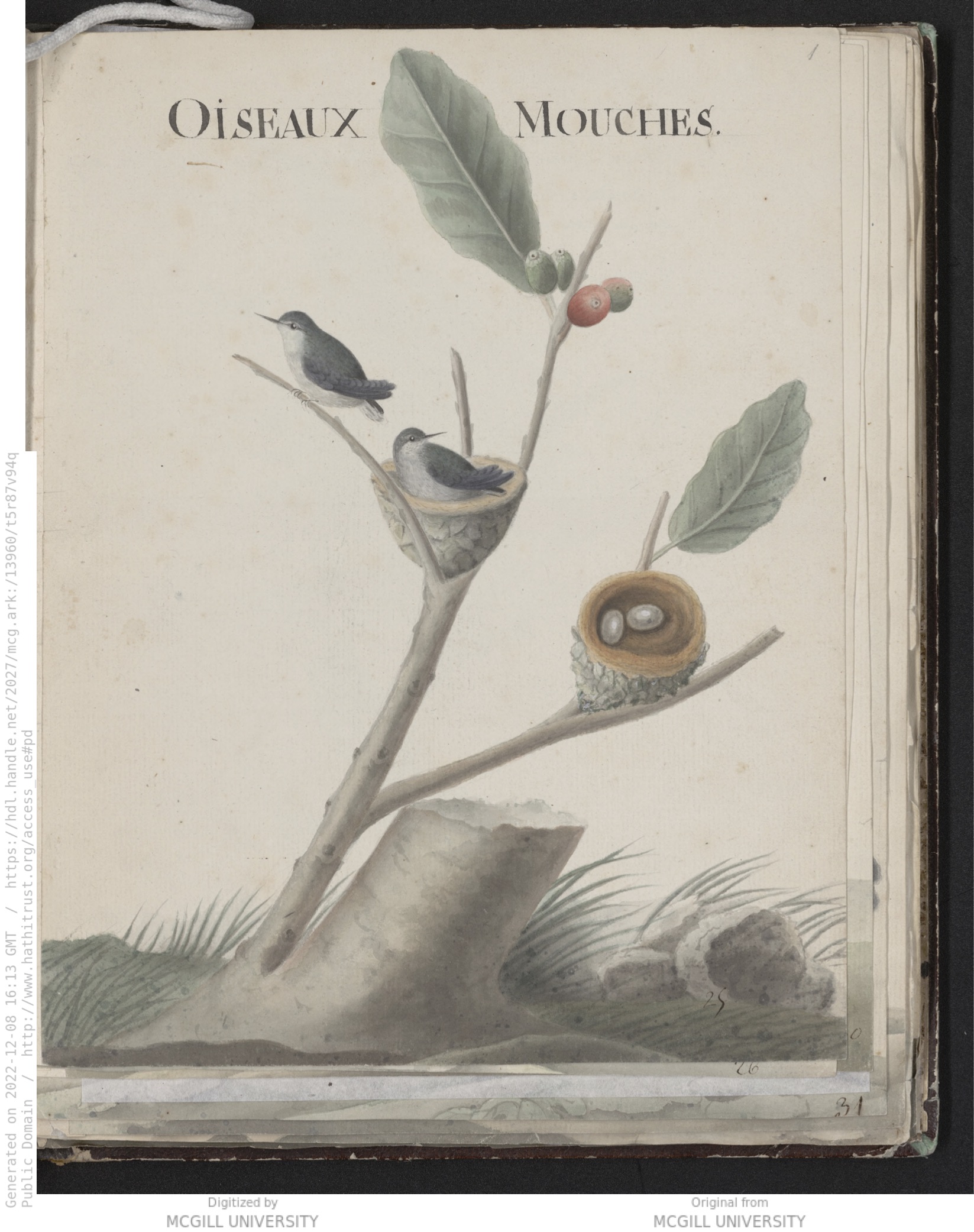
Hidden Hands is supported by funding from the Social Sciences and Humanities Research Council (SSHRC). This partnership continues and expands upon the work of another successful SSHRC-funded partnership at McGill, “The Gwillim Project: Women, Environment, and Networks of Empire”. We are building on the lessons learned in the Gwillim Project about how close, interdisciplinary study of colonial materials by a network of partners can reveal untold stories about the making of natural history collections. In the Gwillim Project, we used one archive to respond to several different questions; in this project we pose one question — how to recover the hidden hands that made natural history? — to several collections, using a range of approaches. We continue the work of rediscovering women’s voices and enquiring into what can be learned about historical environments through natural history collections.

This project employs a series of case studies of materials held in McGill University’s museums and libraries (the Redpath Museum, the McGill University Herbarium and the Blacker Wood Natural History Collections at McGill University Library) to explore how to recover the work, voices, and motivations of the people associated with the making and assembling of these collections. The collections provide insights into three geographical spaces — Canada, the Caribbean (specifically Saint Domingue, now Haiti), and South Asia (India and Sri Lanka) — between the late 18th and early 19th centuries. This age of revolution, industrialization and nascent global empires brought radical changes in human interaction with the natural world.
Natural history collections from this period reflect vanishing environments and natural knowledge. The network brings curators, librarians and scholars in Montreal together with partners and collaborators in the Caribbean and South Asia and scholars and knowledge keepers from Indigenous communities, to research and reinterpret these collections, and to disseminate the findings of collaborative research.
This project provides an opportunity to rethink how to catalogue, label, and display cultural belongings and natural history in a respectful and inclusive way. It also provides space to begin to create meaningful and ongoing engagement with Indigenous scholars and knowledge keepers in Canada and with those in the original locations of these collections.
 Hidden Hands in Colonial Natural Histories